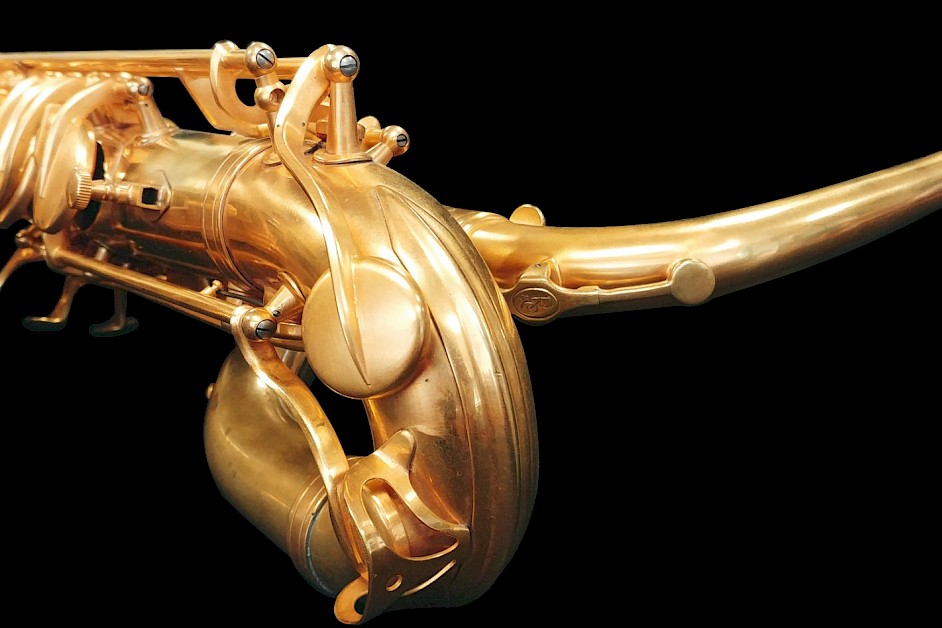
About Rampone & Cazzani
The story inside the sound.
Rampone & Cazzani has been making instruments since 1818. The story begins in Quarna Sotto, a mountain village in northern Italy where wind instrument making became part of local life, but the reason the name still matters is not age alone. It is the feeling of a handmade saxophone that carries its own resonance and invites a player to meet it as an individual instrument.
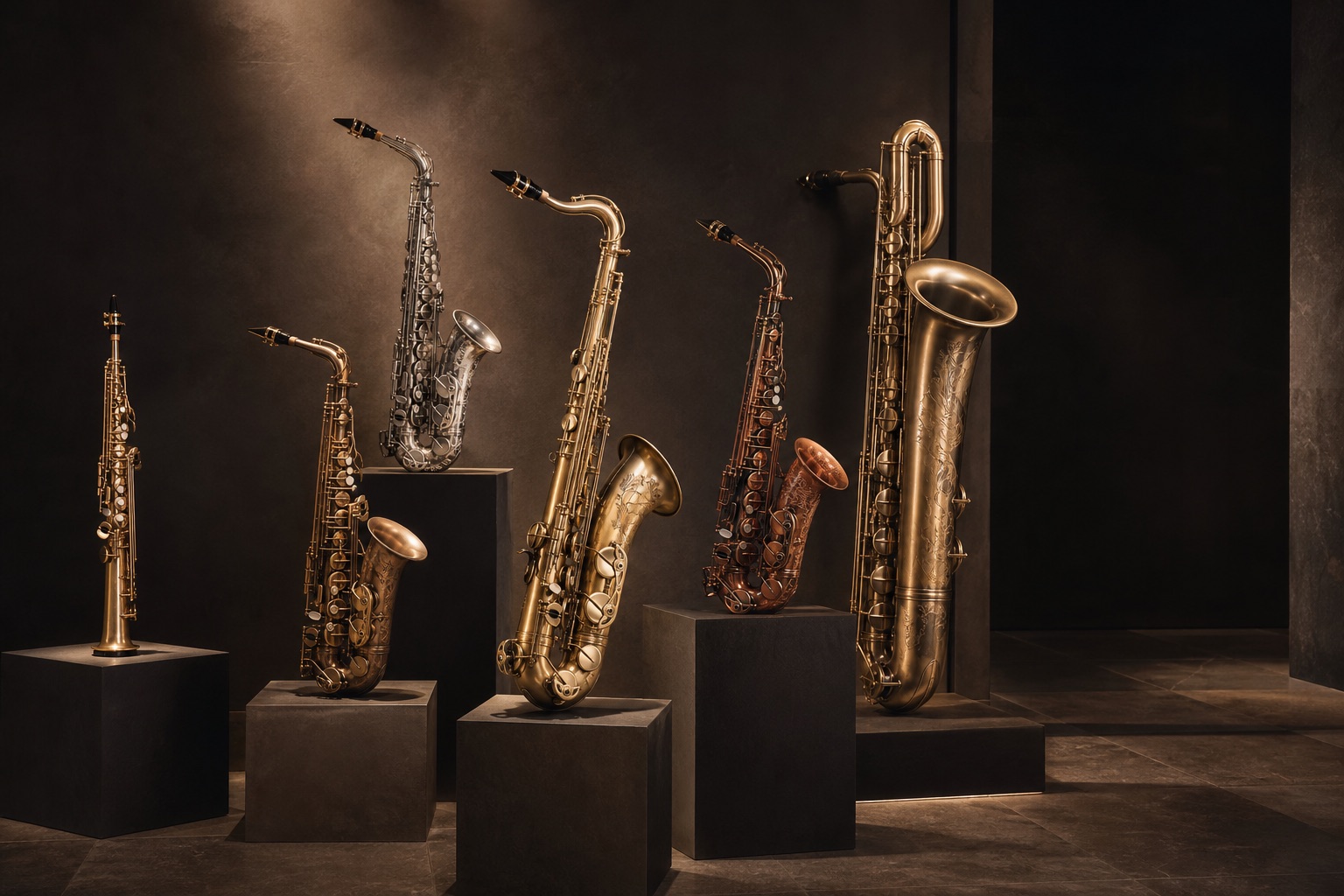
Founded 1818
A workshop before it was a brand.
An About page for Rampone & Cazzani has to begin with time. Founded in 1818, the maker carries more than two centuries of history, but the important part is what the company chose to preserve. R&C still speaks in the language of place, family, handwork and listening. The instruments are not presented as anonymous objects. They come from a lineage where the maker's hand is still visible and the player's response still matters.
That history would be less interesting if it had become only a date on a label. Instead, the story has stayed close to the bench. Rampone & Cazzani remains a family business, and that continuity gives the instruments a human scale. The work is slow, tactile and personal. It asks for judgement that cannot be fully reduced to machinery or specification sheets.
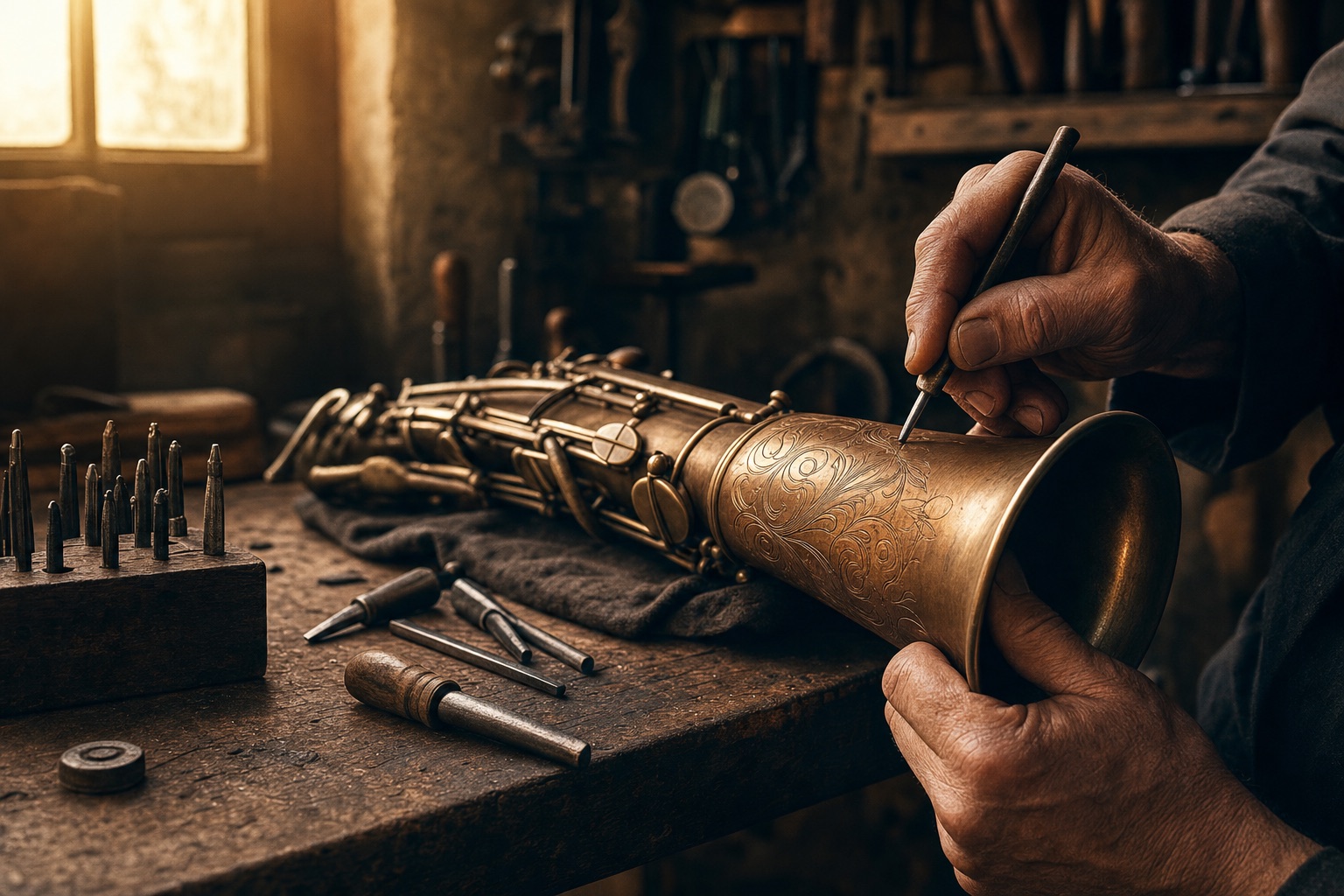
Handmade
Handmade means response, not nostalgia.
On an R&C instrument, handwork is not just a romantic extra added after the real manufacturing is finished. It shapes how the metal speaks, how the horn vibrates and how the player feels the instrument answer back. The engraving, soldering, finishing and fitting all belong to the same philosophy: the saxophone should feel alive in the hands.
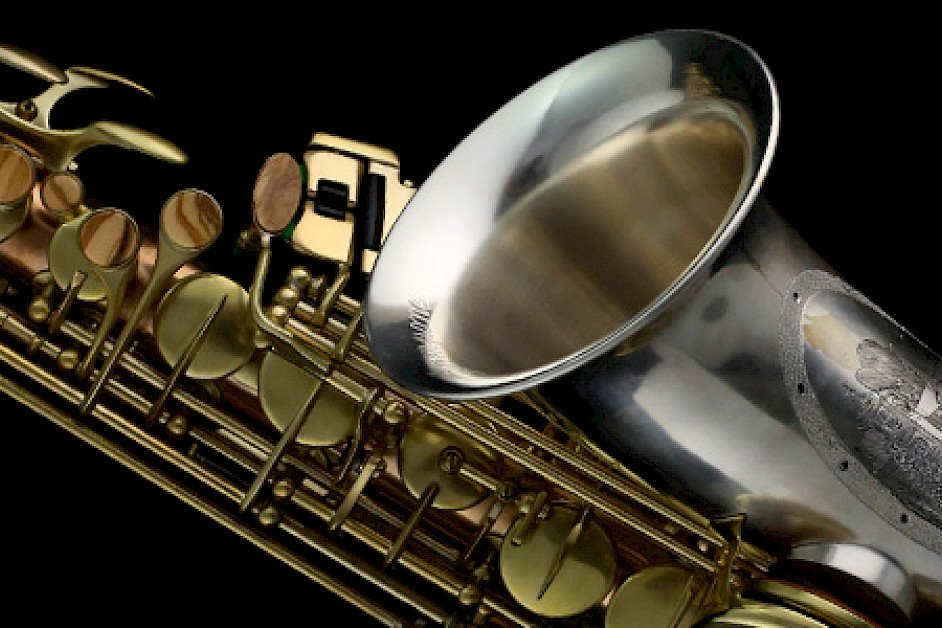
This is also why R&C instruments are best understood by playing them. Photographs show the beauty of the metalwork, but the point of the object is resonance. A player listens for the centre of the sound, the way the body of the horn vibrates and the way the instrument seems to either resist or welcome their air.
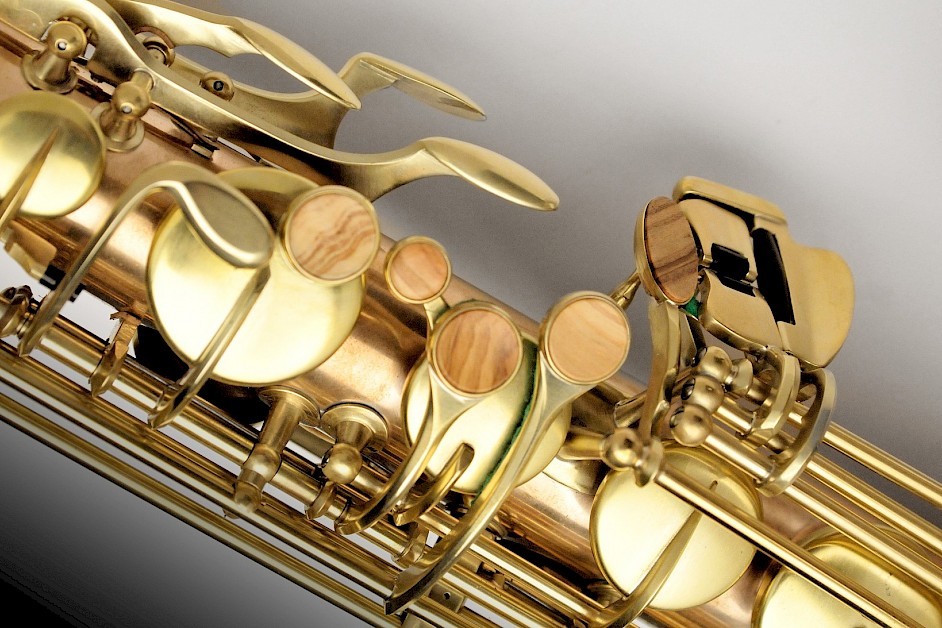
A different philosophy
Not the factory ideal.
R&C does not need to be explained by dismissing Yamaha or Selmer. Those makers have shaped the modern saxophone world and give many serious players a trusted reference point for consistency, projection and familiar resistance.
Rampone & Cazzani asks a different question. Instead of trying to make every horn disappear into a standard, R&C leans into resonance, colour and individuality. The right instrument is discovered through playing, listening and feeling how it responds to your air. One horn may draw out warmth. Another may feel more immediate. Another may reveal a centre to the sound that feels unmistakably yours.
Resonance and individuality
The instrument should not feel anonymous.
The R&C promise is not that every horn feels identical. It is that the player can encounter an instrument with its own centre of vibration, its own colour and its own way of answering breath. That is why a trial matters. Specifications help you begin, but resonance is something you recognise in the room.
Woodwind Incanto represents Rampone & Cazzani in Australia so players can move from curiosity to first-hand experience. The aim is simple: put the instrument in the player's hands, listen carefully and let the horn prove whether it belongs.